Nutrient Inadequacies & Nutrient Sources
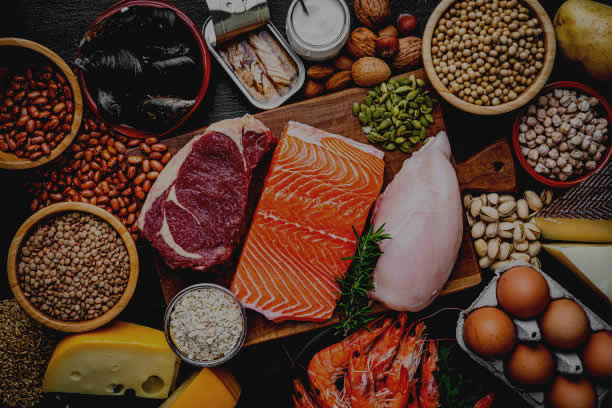
Protein Sources
Vegetarian source: Legumes, Pulses, Cereals, Beans, Seeds and Nuts
Animal source: Milk, Egg, Fish, meat, cheese
Protein inadequacy
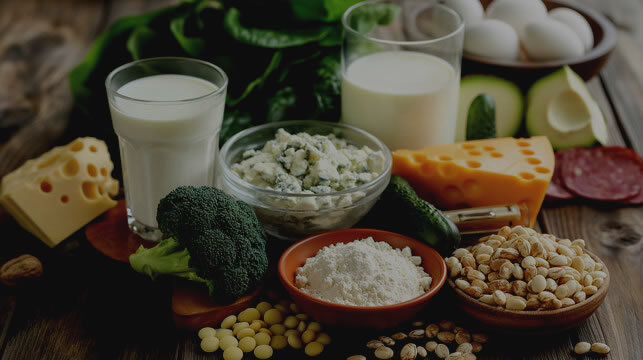
Calcium sources
Vegetarian source: Green leafy vegetables, Cereals and millets
Animal Source: Milk products, eggs and fish
Calcium inadequacy
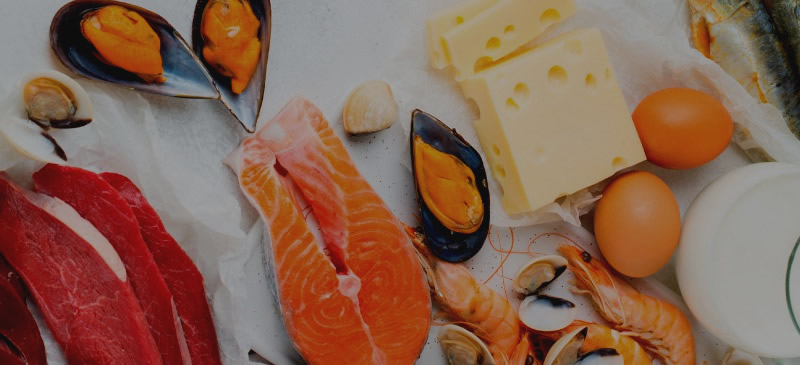
Vitamin B12 sources
Vegetarian sources: Mushrooms (shiitake mushrooms), fortified cereals, yeast
Animal source: Liver, kidney, meat, fish, eggs, milk and cheese
Vitamin B12 inadequacy
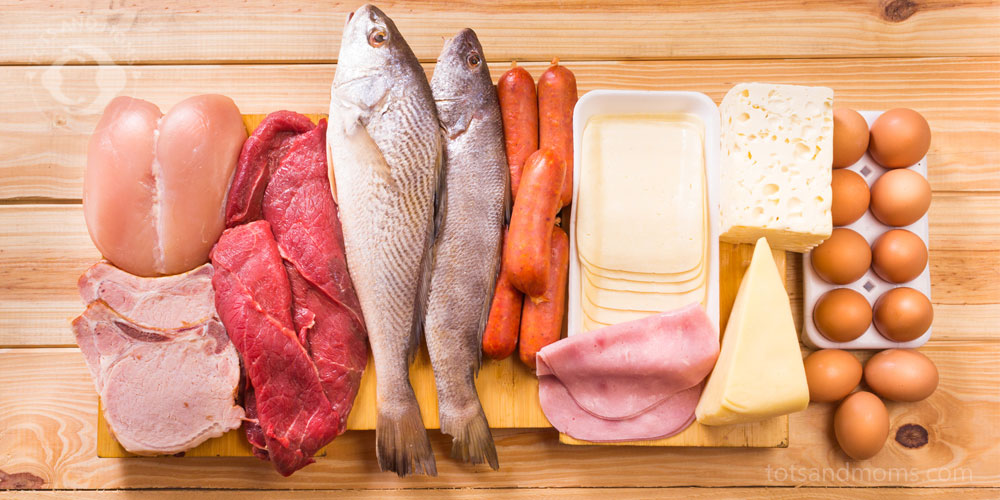
Iron Sources
Vegetarian source: Green leafy vegetables, legumes, nuts, oil seeds, jaggery and dried fruits Cooking in iron vessels
Animal source: Meat, Poultry, fish
Iron Inadequacy
Vitamin D Sources
Vitamin D Inadequacy
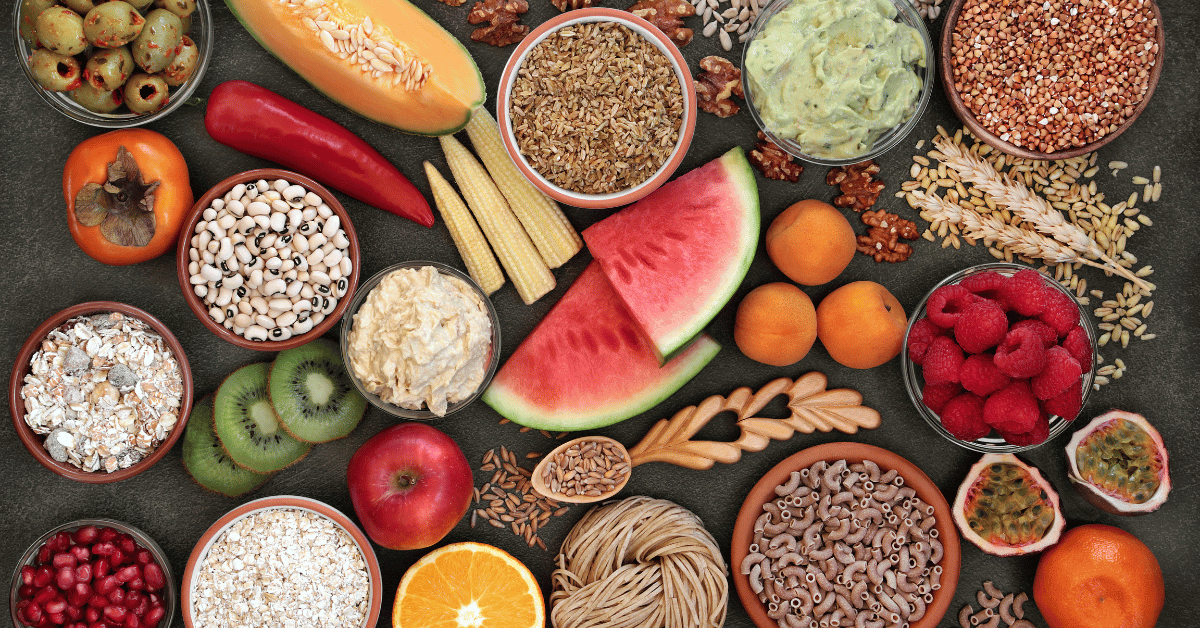
Fibre Sources
Fibre Inadequacy
Irritable Bowel Syndrome
What is Healthy Diet?
Eat variety of foods
Balance the food you eat with physical activity; maintain or improve your healthy weight
Choose a diet with plenty of grain products, vegetables, and fruits
Choose a diet low in fat , saturated fat and cholesterol
Choose a diet moderate in sugars
Choose a diet moderate in salt and sodium
Avoid consuming alcohol and tobacco
What is Healthy Diet?
Eat variety of foods
Balance the food you eat with physical activity; maintain or improve your healthy weight
Choose a diet with plenty of grain products, vegetables, and fruits
Choose a diet low in fat , saturated fat and cholesterol
Choose a diet moderate in sugars
Choose a diet moderate in salt and sodium
Avoid consuming alcohol and tobacco
Food Pyramid For Older Adults
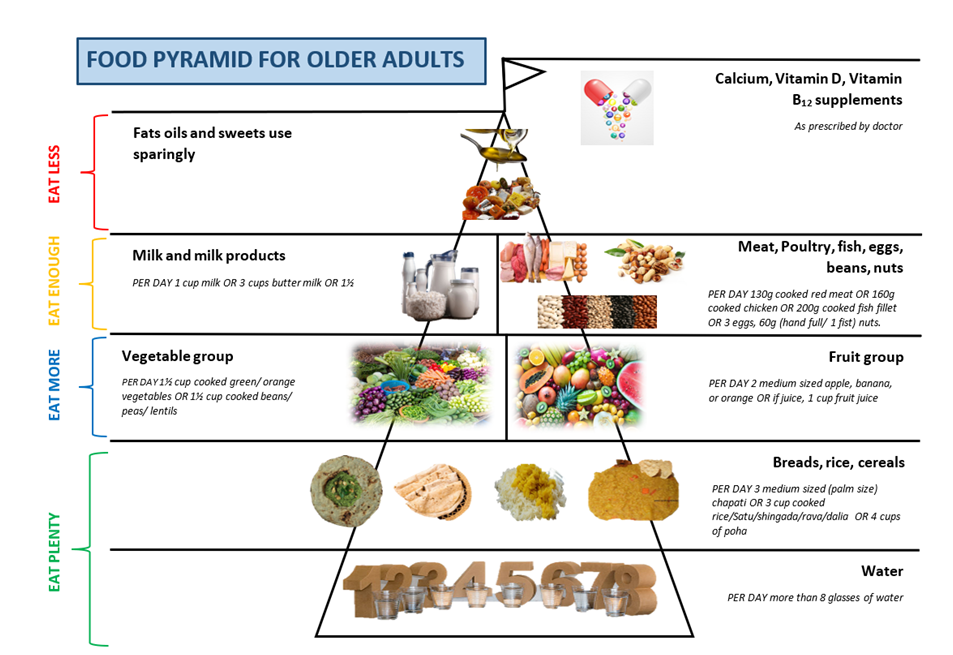
Note:- Dietary requirements are subject to the individual’s health conditions. Therefore, before making any changes in diet kindly consult your physician.
Food Pyramid For Older Adults
Note:- Dietary requirements are subject to the individual’s health conditions. Therefore, before making any changes in diet kindly consult your physician.
What is one serving of?
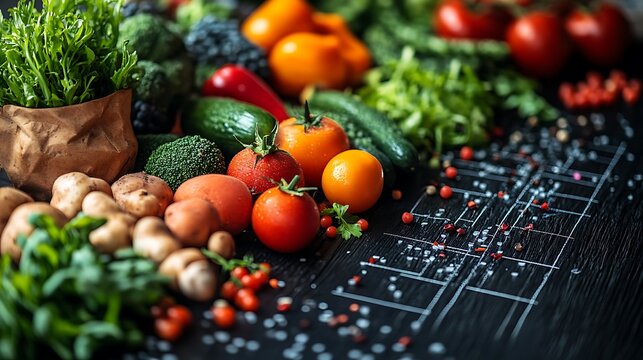
- ½ cup cooked green or orange vegetables (for example, spinach, carrots or pumpkin)
- ½ cup cooked beans, peas or lentils
- 1 cup green leafy or raw salad vegetables
- ½ cup sweet corn
- ½ medium potato or other starchy vegetables (sweet potato)
- 1 medium tomato
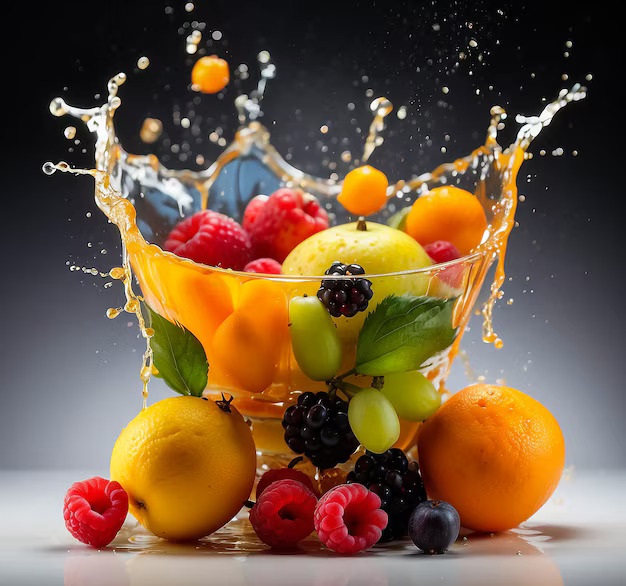
- 1 medium sized such as apple, banana or orange
- 2 small sized sapota (chikoo)
- 125ml (½ cup) fruit juice (no added sugar)
- 30g dried fruit
only occasionally:
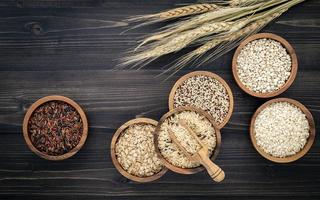
- 1 slice (40g) bread
- ½ medium (40g) roti or chapatti (palm sized)
- ½ cup (75-120g) cooked rice, barley (satu), buckwheat(shingada), semolina (rava), polenta (corn khichadi), bulgur (dalia)
- ½ cup (120g) cooked porridge
- ⅔ cup (30g) rice/wheat cereal flakes
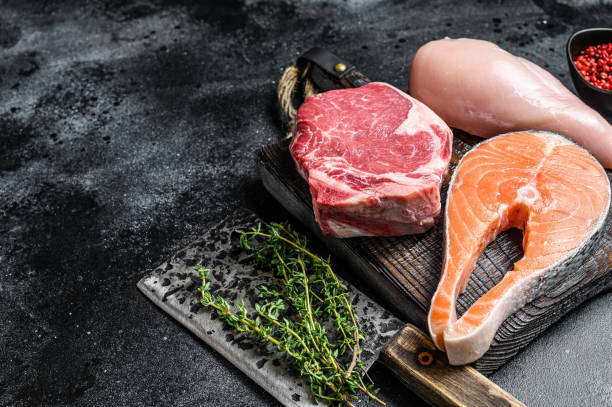
- 65g cooked lean red meats such as lamb, pork, goat (about 90-100g raw)
- 80g cooked lean poultry such as chicken (100g raw)
- 100g cooked fish fillet (about 115g raw) or one small can of fish
- 2 large (120g) eggs
- 170g paneer
- 30g nuts, seeds, peanut or almond butter or other nut (no added salt)
Only to be used occasionally as a substitute for other foods in the group (note: this amount for nuts and seeds gives approximately the same amount of energy as the other foods in this group but will provide less protein, iron or zinc).
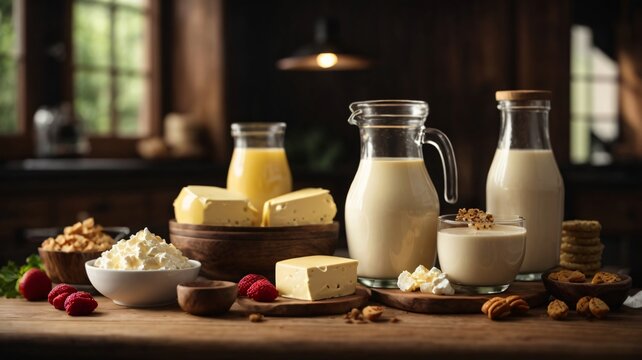
- 1 cup (250ml) fresh buttermilk (taak)
- ½ cup (120ml) evaporated milk
- ¾ cup (200g) curd
Diet Tips
(For the Answers please click on +)
- Diet should be modified according to individuals swallowing capacity.
- Thick fluids,minced, grated or mashed food that are moist and require less chewing can be provided.
- Soups can be preferred to increase sensory perception.
- Food servings including gravy preparations, sauces, milk increases moisture.
- 8-10 cups/ glasses of fluid per day helps prevent dry mouth.
- Consumption of juicy fruits can help stimulate saliva.
- Fermented milk products like buttermilk and cheese and cooked milk products are generally tolerated.
- To provide adequate calcium, use of other calcium rich sources such as ragi, dark green leafy vegetables, beans, almonds and sesame seeds can be encouraged.
- Fibre rich foods, caffeine intake, deficiencies of B vitamins and C vitamins should be checked.
- Adequate fluids should be provided to avoid dehydration.
- Bananas and curd help control some types of diarrhoea.
- Insoluble fibres obtained from whole grains, fruits and vegetables should be encouraged.
- Adequated intake of fluids.
- Regular meals, Physical activity and sleep should be promoted.
- Nutritionally balanced meals, including good sources of iron, folate, B6 and B12.
- Vitamin C rich foods should be consumed in combination with iron rich foods for better iron absorption.
- Avoid consuming tea and coffee as the interfere in iron absorption.

Nutrition Assessment
| YES | |
|---|---|
| I have illness or condition that made me change the kind and or amount of food I eat | 2 |
| I eat fewer than two meals per day | 3 |
| I eat few fruits or vegetables or milk products | 2 |
| I have 3 or more drinks of beer, liquor or wine almost everyday | 2 |
| I have tooth or mouth problems that make it hard for me to eat | 2 |
| I do not have enough money to buy the food I need | 4 |
| I eat alone most of the time | 1 |
| I take three or more prescribed or over the counter drugs a day | 1 |
| Without wanting to, I have lost or gained 4-5 kg in the last 6 months | 2 |
| I am not always physically able to shop, cook and or/ feed myself | 2 |
| Total |
How to Calculate Your Nutritional Score
- Read each statement carefully.
-
For every statement that applies to you, note the score given next to it.
Add up all the scores for the statements that are true for you.
(Do not include statements that do not apply.) -
Calculate the total score.
(Refer to the table for interpretation of your score.)