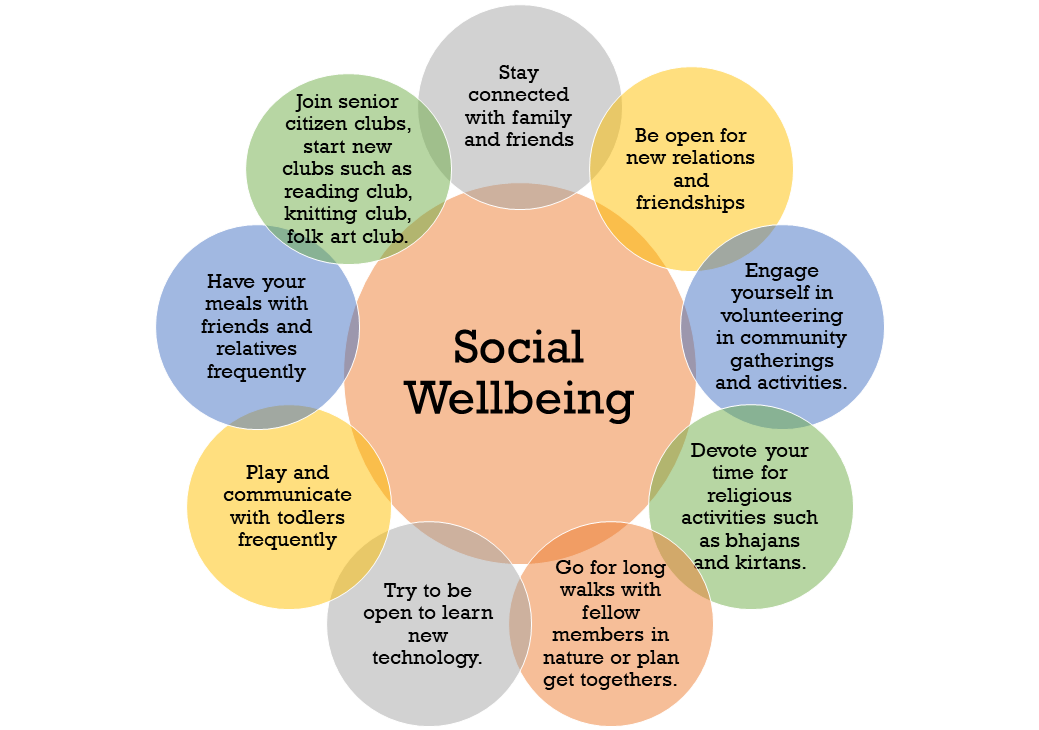
Social isolation is the lack of social contacts and having few people to interact with regularly
Loneliness is the distressing feeling of being alone or separated.
It’s possible to feel lonely while among other people, and you can live alone and not feel lonely or socially isolated.
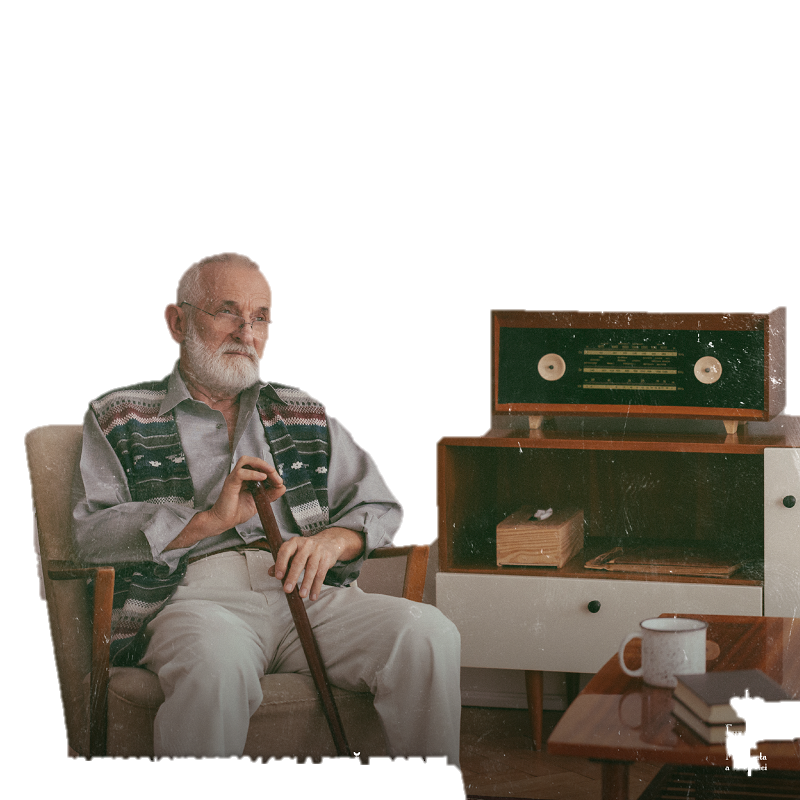
As age increases, there is higher risk for a person isolating himself and experiencing loneliness. This happens due to changes in health and social connections that can come with growing older, hearing complaints, lowered vision, memory loss, disability, trouble getting around, and/or the loss of family and friends.
If you have poor health, you may be more likely to be socially isolated or lonely. And, even the other way round, if you are socially isolated or feeling lonely, it can also put your physical and mental health at risk.
People who are lonely or socially isolated may get too little exercise, often can’t get sound sleep, are more prone to risky behavior such as drinking alcohol, smoking, and tobacco consumption. This can increase the risk of heart disease, diabetes, obesity, high blood pressure, and other serious conditions.
People who are lonely experience emotional pain. Losing a sense of connection can change the way a person sees the world. Emotional pain can activate the same stress responses in the body as physical pain. Continuing of such condition can lead to chronic inflammation and reduced immunity. This pushes you at risk of chronic diseases and can make you vulnerable to some infectious diseases.
Social isolation and loneliness also affects mental health. Being socially isolated and feeling lonely has been linked to poorer cognitive function and increased risk for depression, dementia, and especially for Alzheimer’s disease. Also, little social activity and being alone most of the time may contribute to a decline cognitive function and can hamper the ability to perform everyday tasks such as driving, paying bills, taking medicine, and cooking.
It is very natural that such thoughts can come to our mind as years start adding to our life. This stage is such that your children are grown up, they become independent, your responsibilities also start decreasing gradually and pace of your life slows down. You start feeling an emptiness.
One needs to understand that this can be a new start of a different phase of life all together. There is a need to change the perspective of looking at aging.
Retirements, children leaving house for education, career, etc. brings you a lot of free time which you need to use it for your good. Having such thoughts does affect your health as you start eating less due to lonely feeling, you stop exercising due to health complaints, you tend to isolate yourself and avoid communications and this all together ends up in loneliness, depression and declining health status.
So think positive!