Loading...
मराठी English

PHYSICAL ACTIVITY

How physical activity is related to ageing ?


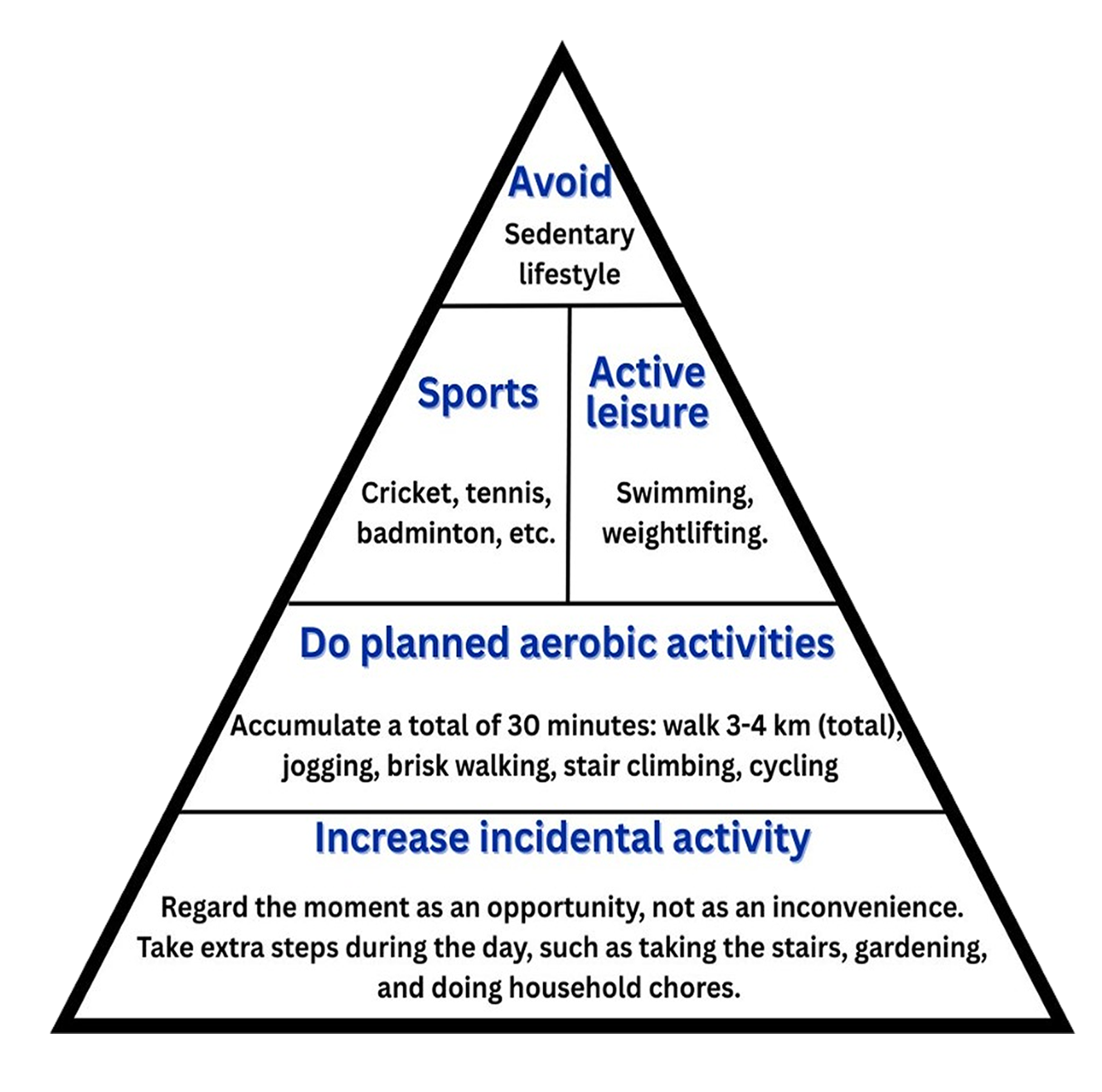
  • Physical activity is another important factor for healthy ageing.
  • Adequate nutrition coupled with appropriate exercise has reported to have significant health benefits in all age groups.
  • Keeping yourself physically active will help you to avoid or control chronic conditions such as diabetes, maintain or improve muscle and bone health and will also help you to improve your mental health.
  • However, with increasing age one may find it difficult to remain active. One may have some conditions such as chronic pain or arthritis which can limit their activity levels.
  • In addition, lack of interest, insufficient space, lack of time, lack of knowledge or misconceptions (“household work is sufficient physical activity”) can also lead to ignorance towards structured physical exercise.
  • There are also several psychological barriers which include stereotyping (‘old people are weak, they need to rest’, ‘exercise is for young people’), family attitudes (our whole family is obese, it runs in our family so no use of exercising and running behind weight loss regimens), cultural and social inhibitions and fear of fall/accidents may restrict from carrying out regular physical activity
  • Lack of physical activity can gradually reduce one’s functional abilities, put an individual at risk of variety of chronic conditions and hence can lead to frailty.
  • As a frail person experiences loss of muscle mass, which makes one weak and dependent. Carrying out regular physical activity can help in muscle strengthening and being independent. Regular exercise and staying physically active also helps in improving balance, co-ordination and preventing cognitive decline which is very common with increasing age.

Difficulties in initiating physical exercise

Start with ordinary walking, or an exercise that is not work for most people.
Walking is very safe exercise. Choose a hurdle free, well-lighted area.
You can try exercising in sitting position while watching your TV serials.
Tell yourself, "This activity will give me more energy."
That may be true, but you will never know for sure unless you try to make it.
Maybe you have not asked. A neighbour / a co-worker may be a willing partner. Or you can choose an activity that you enjoy doing by yourself.
There are many activities that you can do in your own home or at your terrace in any weather.
Pick an activity you can do at a convenient place. Walk around your neighbourhood, exercises with a TV show or a videotape at home.
Some ways to make exercise more fun are listening to music, exercising with a companion, changing exercise with season, setting a non-exercise related goal such as getting work or two done in the course of it, or giving yourself a reward periodically.
You can benefit regardless of your weight. Pick an activity that you are comfortable with, like walking.
It is never too late to start. People of any age, including older people, can benefit from physical exercise.
Image

How do I start exercising?


  • Replace old habits with new, healthy habits.
  • Become mindful of your actions. When you are aware of what you’re doing, you can change it.
  • Plan and keep a record. Decide what you want to change, plan, and write it down

In your action plan, be sure to include:

  1. What? (For example, walking or avoiding snacks)
  2. How much? (For example, walking 3-4 km)
  3. When? (For example, after dinner on Monday, Wednesday, Friday)
  4. How often? (For example, 4 times; try to avoid “every day”)

For example: this week, I am planning to walk (what?) 500 meters (How much?) after dinner (When?) 3 times (How often?).

This week I am planning to Walk (What)
500 meters (How much)
After dinner (When)
3 times (Monday, Wednesday, Friday) (how often)

  • Avoid situations that trigger unhealthy habits, such as eating in front of the TV.
  • Post reminders about healthy habits where you will notice them– on the refrigerator, on the table, in your car, on the mirror, wherever!

Precautions


  • All the movements should be made slowly with control
  • When standing, natural arch of the back should be maintained
  • Always breathe when performing exercises, never hold your breath back
  • When seated, back should be pressed firmly against chair back.
  • Do some warm-up before starting with exercise and cool down session while ending exercise
  • Any recent illness (cardiac arrest, episode of high blood pressure), Dizziness or shortness of breath, Foot or ankle sores that are not healed, Recent hip/knee replacement therapy are not recommended to do these exercises
  • In case of any discomfort while performing exercise, stop the activity and report the discomfort to physician.

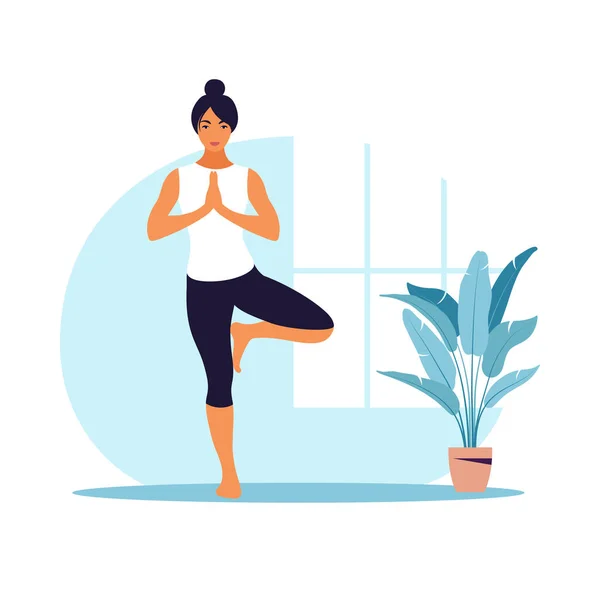
Balance Exercises


Why do it?

As age advances, the central nervous system and neuromuscular system are affected, leading to deficits in balance and walking.

Balance is required for maintaining postural equilibrium and avoiding falls.

Furthermore, specific balance exercises may help to reduce the risk of falls, improve balance, improve coordination, and improve the functioning of muscles, and overall body functioning.

Loss of balance is common among older population. This can contribute to falls and difficulty while walking.

Choose a diet moderate in salt and sodium

Practicing these simple exercises will improve balance skills and help feel more confident when performing activities of daily living.

How many times to do?

Five repetitions, minimum 3 sets each, At least 2 times a day, morning and evening


Image
Note: The exercises provided below are general guidelines, for condition specific or personalised exercise recommendations, we advice consulting your family physician or physiotherapist.

Balance Standing Light Exercises

Random Image
Single Leg Stands

  • Stand up straight with your feet apart.
  • Hold onto a strong chair or wall for support if needed.
  • Slowly lift one foot off the ground with heel facing your buttocks and balance on the other leg, keeping your body straight.
  • Hold this position for 10–20 seconds, depending on what feels comfortable for you.
  • Slowly lower your foot back to the ground and repeat on the other leg.
  • Do 2–3 repetitions on each leg.

Random Image
Marching in place

  • Stand up straight with your feet apart.
  • Hold onto a strong chair or wall for support if needed.
  • Slowly lift one knee toward your chest, keeping your back straight.
  • Lower your foot back to the ground and repeat with the other leg.
  • Keep moving your legs smoothly like marching, one leg at a time.
  • Do this for 30–60 seconds or 3–5 repetitions on each leg.
  • Aim for 2–3 sets.

Random Image
Weight Transfer

  • Stand up straight with your feet apart.
  • Hold onto a strong chair or wall for support if needed.
  • Slowly shift your weight to one leg while lifting the opposite foot slightly off the ground. Try to keep your body balanced.
  • Hold this position for 2–3 seconds, then shift your weight to the other side and lift the other foot slightly.
  • Keep moving smoothly from side to side.
  • Do 3–5 repetitions on each side.
  • Aim for 2–3 sets.


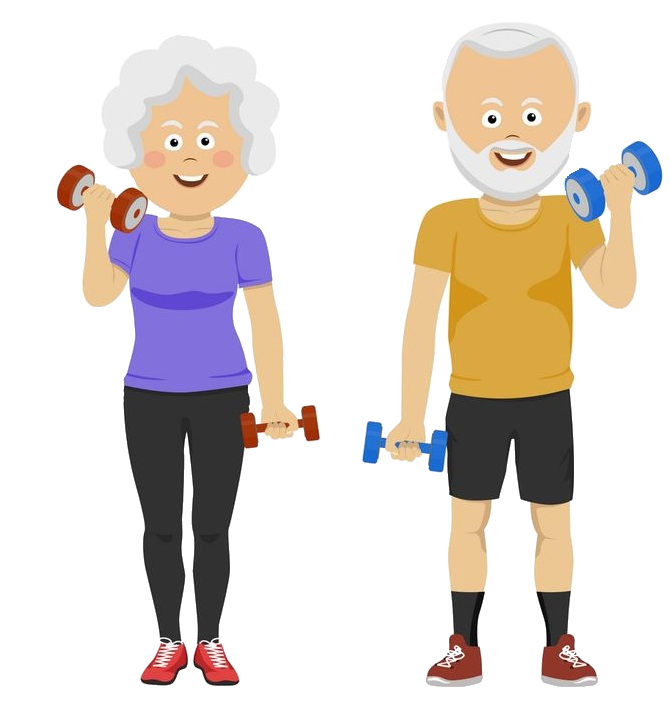
Strengthening Exercises


Why to do?

Muscle strength and power is required for performing the activities of daily living. Age related changes in muscles result into loss of muscle mass (i.e., sarcopenia) and muscular strength.

Strength training has many benefits targeted towards improving strength, mobility and functioning of muscles. There is minimal risk when strength training is done according to the guidelines provided.

Strength training helps prevent loss of bone mass, joint flexibility, builds muscle, and improves balance—both important for staying active and avoiding falls.

Building strength and power will help you stay independent and make day-to-day activities easier such as opening a jar, getting in and out of a car, and lifting objects

How many times to do?

5 repetitions, minimum 3 sets each At least 2 times a day morning and evening


Image

Upper Limb Strengthening Exercises

Random Image
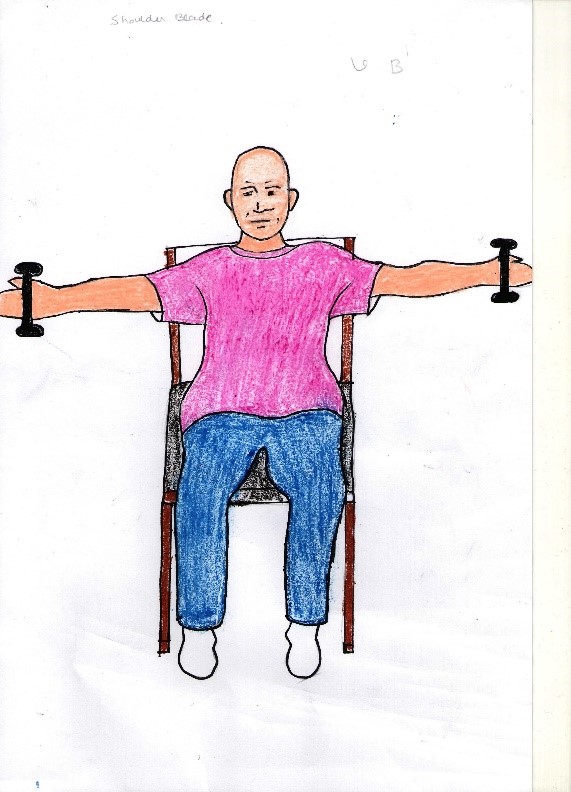
Seated Shoulder Abduction

  • Sit up straight in a strong chair.
  • Keep your feet flat on the floor.
  • Make sure your back is straight and your shoulders are relaxed.
  • Rest your hands on your thighs with your palms facing down.
  • Slowly raise both arms out to the sides. Stop when your arms reach shoulder height.
  • Keep your elbows slightly bent and don’t shrug your shoulders. Hold this position for 1–2 seconds.
  • Then, lower your arms slowly back down.
  • Repeat this 3–5 times. Do 2–3 sets, resting for 30–60 seconds between sets. If you feel pain, stop and rest.
  • If you feel comfortable, you can use weights while doing this exercise. Start with 0.5–1 kg of weight. Follow the same steps as before.

Random Image
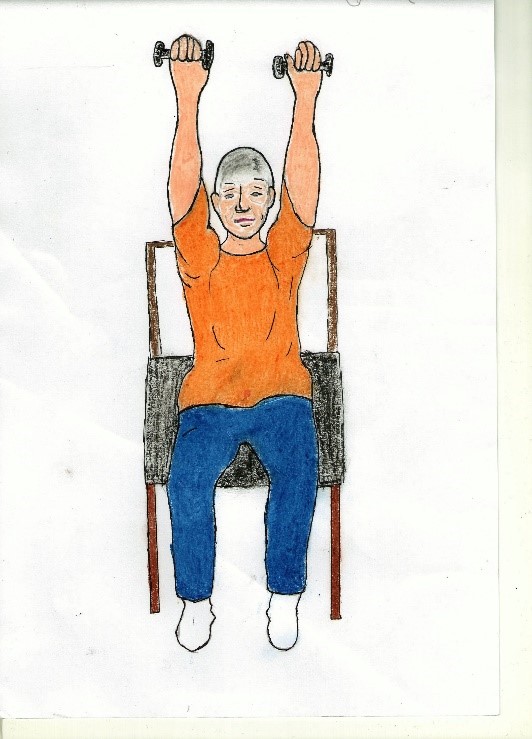
Shoulder Flexion

  • Sit upright in a sturdy chair with your feet flat on the floor.
  • Keep your back straight and shoulders relaxed.
  • Hold a lightweight in each hand with your palms facing inward, and bend your elbows at a 90-degree angle so your hands are near your shoulders.
  • Slowly raise both arms upward above your head.
  • Hold this position for 1–2 seconds, then slowly lower your arms back to the starting position in a controlled motion.
  • Repeat for 3–5 repetitions per set, aiming for 2–3 sets with a 30–60 second rest between sets.
  • Move smoothly and breathe steadily—inhale while lifting and exhale while lowering.

Random Image
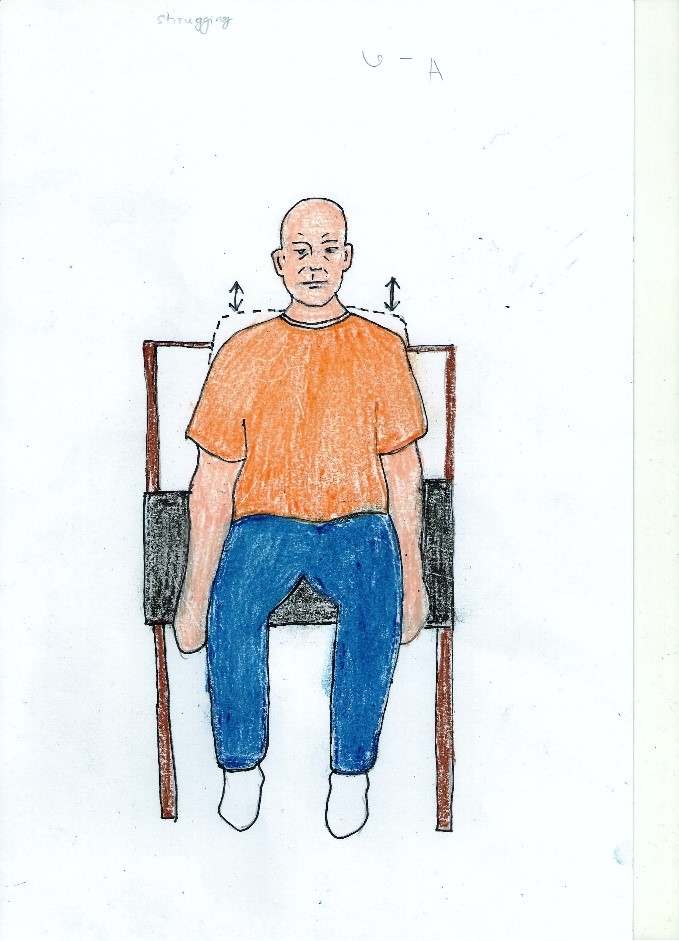
Shoulder Shrugs

  • Sit upright in a sturdy chair with your feet flat on the floor, keeping your back straight and shoulders relaxed.
  • Hold a light weight in each hand with your arms resting at your sides and palms facing inward.
  • Slowly lift both shoulders toward your ears as high as possible without straining, keeping your arms straight and relaxed.
  • Hold the position for 1–2 seconds, then slowly lower your shoulders back to the starting position in a controlled motion.
  • Repeat for 3–5 repetitions per set, aiming for 2–3 sets with a 30–60 second rest between sets.
  • Move smoothly and breathe steadily—inhale while lifting and exhale while lowering.
  • If you feel any discomfort, stop and rest. Start with light weights and increase gradually as your strength improves.


Lower Limb Strengthening Exercises

Random Image
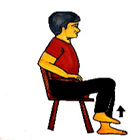
Hip Flexion

  • Sit up straight in a strong chair with your feet flat on the floor.
  • Keep your back straight and shoulders relaxed. Place your hands on the sides of the chair for support.
  • Slowly lift one knee toward your chest, keeping your back straight. Don't lean forward.
  • Hold for 1–2 seconds, then slowly lower your foot back to the floor.
  • Repeat with the other leg.
  • Do 8–12 repetitions on each leg, with 2–3 sets. Rest for 30–60 seconds between sets.
  • Move slowly and breathe regularly—inhale when lifting your leg, exhale when lowering it.
  • If you feel any discomfort, stop and rest.
  • Start without weights, and if you're comfortable, you can add light ankle weights later.

Random Image
Knee Flexion

  • Sit up straight in a strong chair with your feet flat on the floor.
  • Keep your back straight and shoulders relaxed. Hold the sides of the chair for support.
  • Slowly lift one foot off the floor and straighten your knee, bringing your leg parallel to the ground.
  • Then slowly bend your knee to touch your foot on the ground.
  • Repeat with the other leg.
  • Do 3–5 repetitions on each leg, with 2–3 sets. Rest for 30–60 seconds between sets.
  • Move slowly and breathe regularly—inhale while bending your knee, exhale while straightening it.
  • If you feel any discomfort, stop and rest.


Strengthening Standing Exercises

Random Image
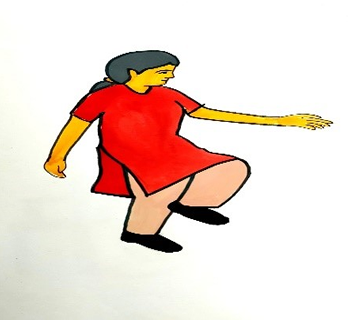
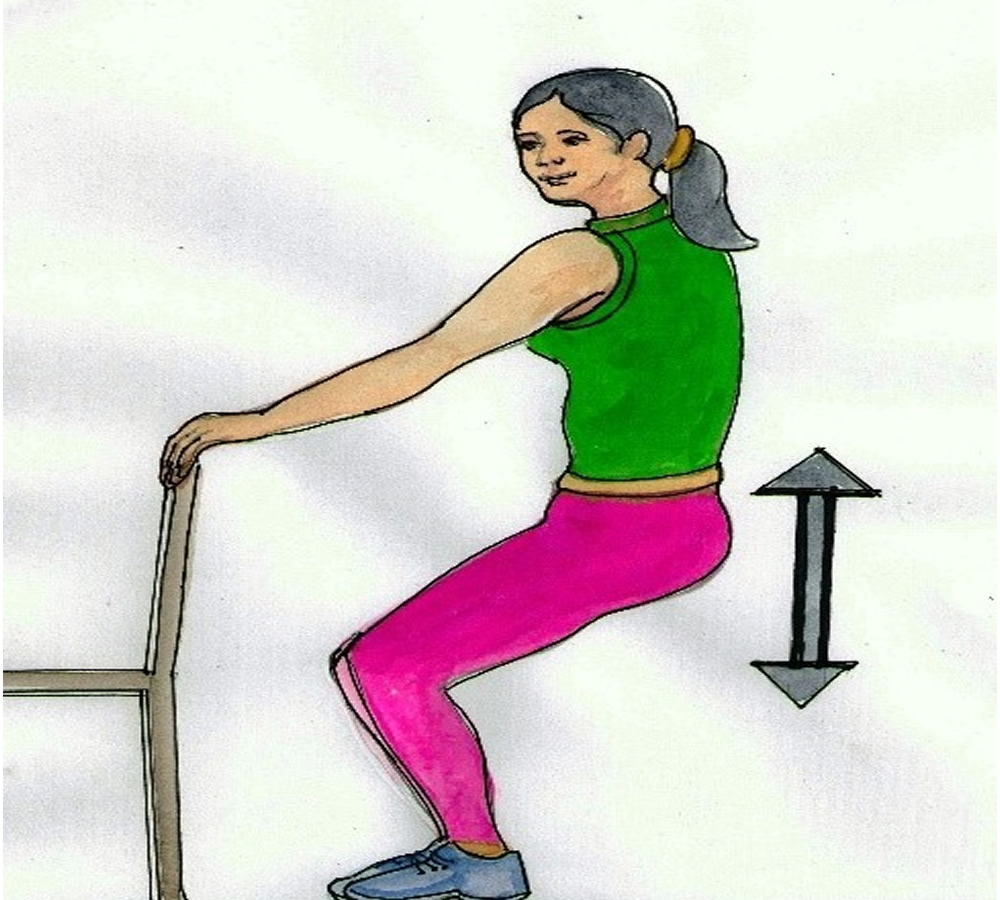
Mini Squats

  • Stand up straight with your feet apart. You can lean against a wall or hold onto a strong chair or table for support if needed.
  • Slowly go down bending your knees a few inches.
  • Keep your back straight and your weight balanced on both feet.
  • Hold for 1–2 seconds, then slowly straighten your legs and return to standing.
  • Do 3–5 repetitions, with 2–3 sets. Rest for 30–60 seconds between sets.
  • Move slowly and breathe regularly—inhale while lowering and exhale while standing up.

Random Image
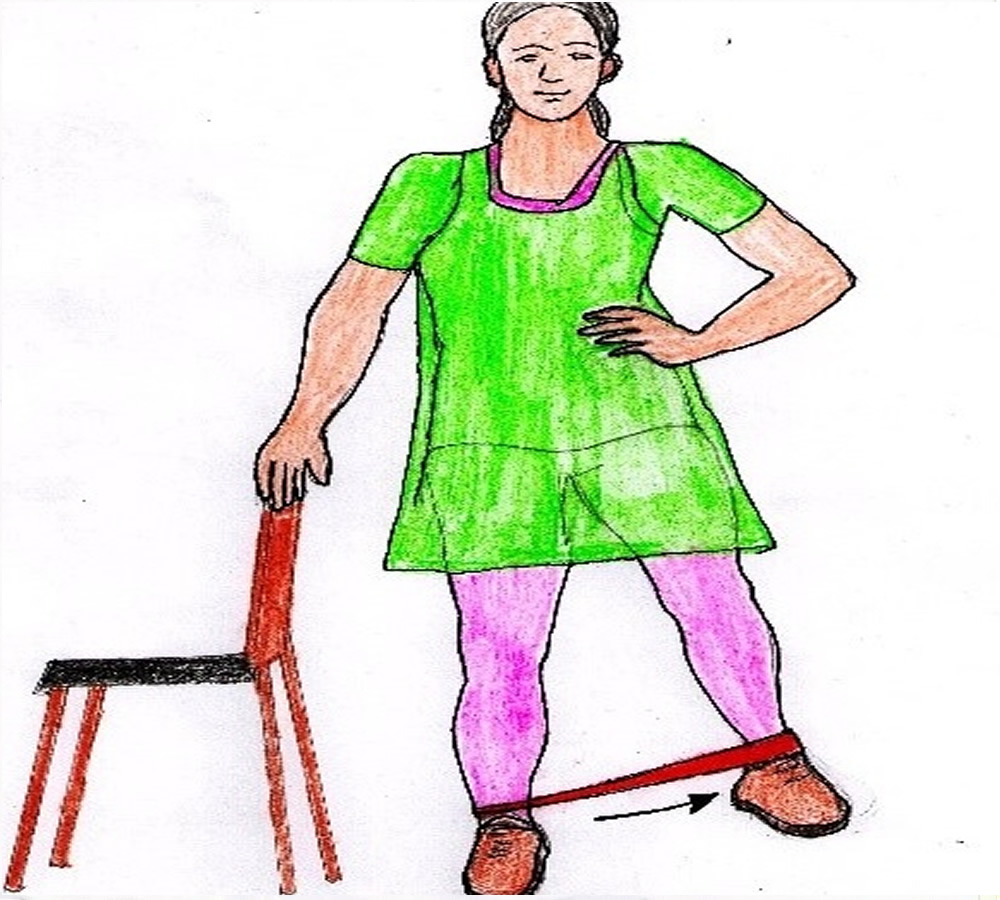
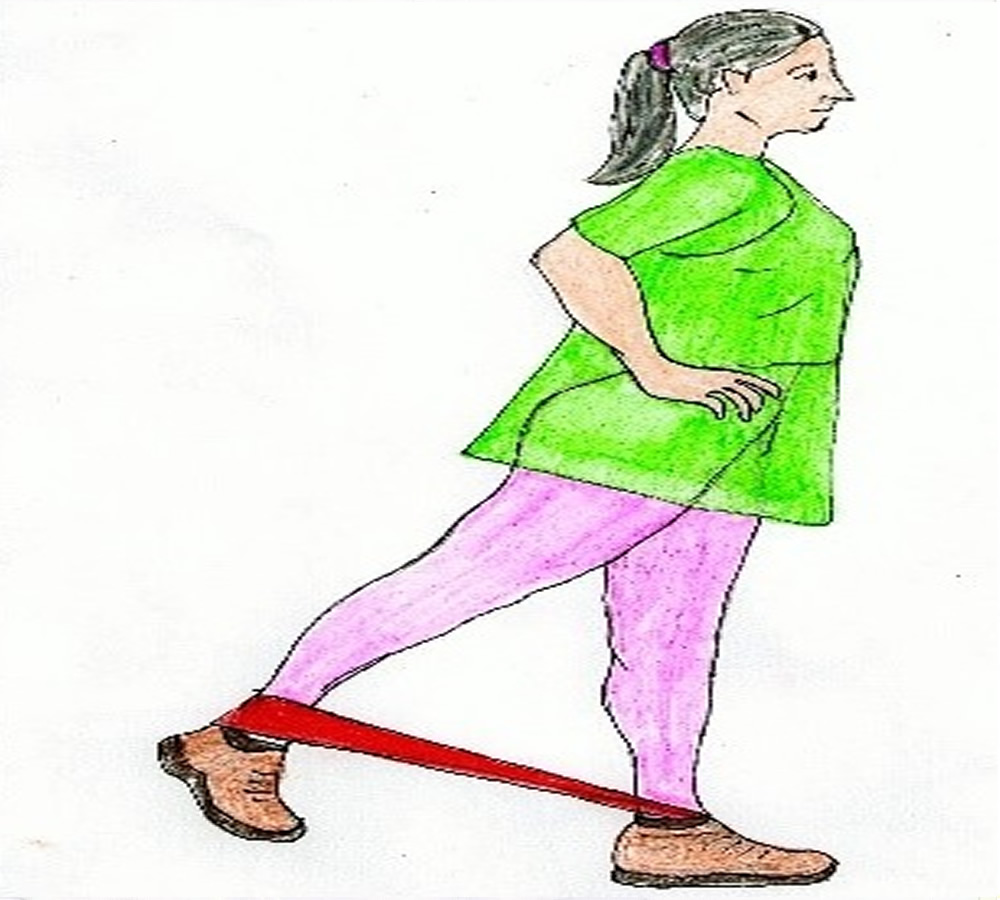
Hip Abduction

  • Stand up straight with your feet apart.
  • Slowly lift your leg to the side, as far as you can, away from your body while maintaining your posture.
  • Hold this position for 15 seconds, then slowly bring your leg back to the starting position.
  • Do 3–5 repetitions on each leg, aiming for 2–3 sets.
  • If you're comfortable, after the last repetition, hold the stretch for 30 seconds.
  • Move slowly and breathe regularly.
  • If you are comfortable, you can perform this exercise with the help of commercially available therabands. Take a yellow or green Theraband and loop one end around a strong chair and the other end around your ankle, and perform the exercise as instructed before. (These Therabands are available commercially at medical/sports stores.)

Random Image
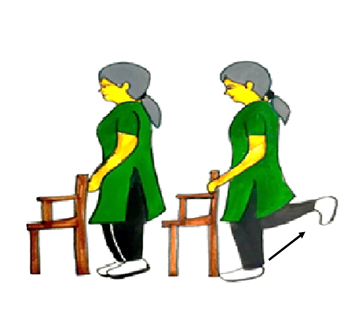
Hip Extension

  • Stand up straight with your feet apart.
  • Keep your knees straight and slowly kick your leg backward, keeping your body upright.
  • Avoid leaning forward or bending over.
  • Hold this position for at least 15 seconds, then slowly return to the starting position.
  • Do 3–5 repetitions on each leg, aiming for 2–3 sets.
  • Move slowly and breathe regularly.
  • If you are comfortable, you can perform this exercise with the help of commercially available therabands. Take a yellow or green Theraband and loop one end around a strong chair and the other end around your ankle, and perform the exercise as instructed before. (These Therabands are available commercially at medical/sports stores.)

Random Image
Push-ups on wall

  • Stand facing a wall, about arm's length away.
  • Place your hands on the wall, at shoulder height and shoulder-width apart.
  • Slowly bend your elbows and lean toward the wall, keeping your body straight.
  • Push against the wall to return to the starting position.
  • Keep your heels down so your feet stay flat on the ground.
  • Do 3–5 repetitions, aiming for 2–3 sets.

Co-ordination Oriented Exercises


Why do coordination exercises?

As you age, you come across problems which have adverse effects on your capacity to remain steady.

Medical conditions such as arthritis, Alzheimer’s disease, Parkinson’s disease, Multiple Sclerosis, and heart disease can reduce one’s ability to stay balanced and move freely. It is this unsteadiness that eventually leads to falls and, subsequently, injuries

Apart from chronic illnesses, there are other reasons that make seniors more prone to falls. These include impaired eyesight, side effects of medications, and a decline in physical fitness. Understandably, individuals become less active as they become older because their bodies take longer periods to repair.

Therefore, engaging in a co-ordination-oriented exercise is necessary to improve your balance and coordination.

How many times to do?

Five repetitions, minimum 3 sets each At least 2 times a day morning and evening


Image

Co-ordination Sitting and Standing Exercise

Random Image
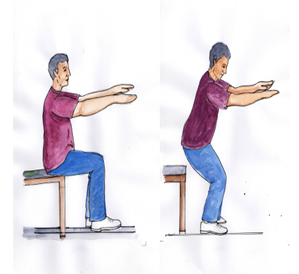
Sit to stand

  • Sit up straight in a strong chair with your feet flat on the floor and your hands on your thighs or crossed over your chest.
  • Slowly lean forward, and push through your legs to stand up.
  • Once standing, hold the position for 1–2 seconds to keep your balance.
  • Slowly lower yourself back into the chair, moving carefully.
  • Do 8–12 repetitions, aiming for 2–3 sets.
  • When standing, slowly sit back down in a controlled way.

Random Image
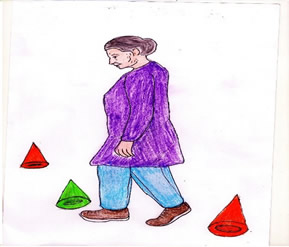
Obstacle Walking

  • Place small objects like cones, books, or water bottles in a figure of eight on the floor, with a few inches of space between them.
  • Stand up straight with your feet apart. Hold onto a sturdy chair or wall for support if needed.
  • Slowly walk forward, stepping over each object one at a time, keeping your back straight.
  • Lift your knees high enough to clear each object.
  • When you reach the end, turn around and walk back the same way.
  • Do 2–3 rounds at a steady, comfortable pace.

Random Image
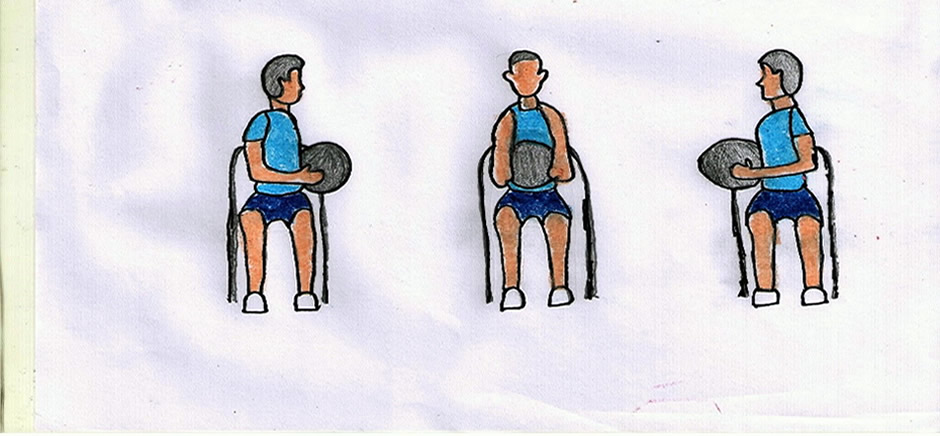
Passing the ball to each other

  • Sit up straight in a strong chair or stand with your feet apart.
  • Hold a light ball with both hands at chest level.
  • Slowly pass the ball from one hand to the other, keeping your movements smooth and steady.
  • To make it more fun, you can extend your arms slightly while passing the ball or move it in a circle.
  • Do this for 30–60 seconds or 8–12 repetitions on each side.
  • Aim for 2–3 sets.
  • This exercise can also be done as a group activity.


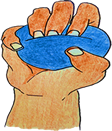
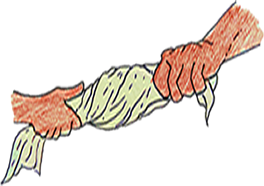
Exercises to improve Handgrip strength


Squeeze a sponge ball/ crumble a paper to make a ball.
Twist a towel


Weekly physical activity self-assessment questionnaire


(A) SEDENTARY BEHAVIOUR 1 2 3 4 5 SCORES
How much time do you spend sitting each day (leisure activities, TV , computer, work, etc.) ? + 5 hrs 4 to 5 hrs 3 to 4 hrs 2 to 3 hrs Less than 2 hrs
Total (A)
(B) SPORTS AND RECREATIONAL ACTIVITIES 1 2 3 4 5 SCORES
Do you regularly engage in one or more physical activities? NO YES
How often do you do all those activities? 1 to 2 times per month Once a week Twice a week 3 times/week 4 times/ week
On average, how many minutes do you spend on each session of physical activity? Less than 15 min 16 to 30 min 31 to 45 min 46 to 60 min More than 60 min
How much effort do you feel you normally make? 1 means very little effort and 5 means a great deal of effort 1 2 3 4 5
Total (B)
(C) EVERYDAY PHYSICAL ACTIVITIES 1 2 3 4 5 SCORES
How much physical activity does your job require? Not much A moderate amount Average Intense Very Intense
Outside your regular job, how many hours do you spend each week on light work such as household repairs, gardening, house-cleaning, etc. ? Less than 2 hrs 3 to 4 hrs 5 to 6 hrs 7 to 9 hrs More than 10 hrs
How many minutes do you walk each day? Less than 15 min 16 to 30 min 31 to 45 min 46 to 60 min More than 60 min
How many flights of stairs do you climb each day? Less than 2 3 to 5 6 to 10 11 to 15 More than 16
Total (C)
Total (A) + (B) + (C)


Results


Your score is less than 18: You have the profile of a person who doesn't do much physical activity. Like a car that is left in the garage too long, your body tends to get rusty and your risk of experiencing a non-communicable disease (e.g. diabetes, high blood pressure, obesity, cardiovascular disease, cancer) and depression is higher than for an active person. We encourage you to do regular exercise.
Action: Take every opportunity each day to move, go walking or take a bicycle, do housework, small errands, gardening, play with your children, take the dog for a walk, etc.

Your score is between 18 and 35: Good job! You have the profile of a fairly active person. Your physical activity level is within the recommended guidelines for healthy living. Thanks to the efforts you make, your body works efficiently, limiting the risks of non-communicable diseases and depression. Keep up the good work so you can maintain those health benefits.
Action: To stay motivated, think about varying your activities and the places where you do them (e.g. walks in the pool, mountain hikes, indoor sports).

Your score is higher than 35: Great job! You have the profile of a very active person. Your level of physical activity not only allows you to stay healthy, but it also improves your overall physical condition (better cardio-respiratory endurance, increased muscle mass, etc.)

Caution: Don't change anything but be careful not to overdo it!